Philadelphia, PA, offers a variety of outpatient addiction treatment programs designed to meet the needs of individuals at different stages of recovery. Understanding the differences between Intensive Outpatient Programs (IOP), Partial Hospitalization Programs (PHP), and standard outpatient treatment is essential for making an informed decision about your recovery journey. This guide will explore these options, daily schedules, suitability for each level, transitioning from inpatient to outpatient care, cost comparisons, insurance coverage, and practical steps for finding programs in Philadelphia.
Types of Outpatient Addiction Treatment Programs
Intensive Outpatient Programs (IOP)
Intensive Outpatient Programs (IOP) are designed for individuals who need a higher level of care but do not require 24-hour supervision. IOP typically involves:
- Frequency: Sessions occur 3-5 times a week.
- Duration: Each session lasts around 2-4 hours.
- Structure: Programs include group therapy, individual counseling, and skills training.
IOP is best suited for individuals with moderate to severe addiction issues, those transitioning from inpatient care, or those who have a strong support system at home.
Partial Hospitalization Programs (PHP)
Partial Hospitalization Programs (PHP) provide a more intensive level of care than IOP. PHP typically includes:
- Frequency: Daily sessions, usually 5-7 days a week.
- Duration: Each session can last from 4-8 hours.
- Structure: A more comprehensive approach involving medical supervision, therapy, and sometimes medication management.
PHP is ideal for individuals who need intensive support but do not require round-the-clock care. It is particularly beneficial for those with co-occurring mental health disorders.
Standard Outpatient Treatment
Standard outpatient treatment is the least intensive form of outpatient care. It generally includes:
- Frequency: Weekly sessions, typically 1-2 times a week.
- Duration: Each session lasts around 1-2 hours.
- Structure: Primarily individual therapy or support groups.
This option is best suited for individuals with mild addiction issues, those who have completed a higher level of care, or those who are in recovery and require ongoing support.
Daily Schedules and Who is Best Suited for Each Level
Understanding your daily schedule in each program can help you identify which level suits your lifestyle and recovery goals. Below is a comparison:
- IOP: Flexible scheduling allows individuals to attend work or school.
- PHP: Requires a significant time commitment, best for those who can allocate time during the day for treatment.
- Standard Outpatient: More flexibility, ideal for individuals with stable lives and responsibilities.
Transitioning from Inpatient to Outpatient Care
Transitioning from inpatient treatment to outpatient care is a critical step in the recovery process. Here’s how to navigate this transition:
- Assess Needs: Evaluate your treatment needs with your healthcare provider.
- Choose the Right Program: Based on your level of care and support system, select the appropriate outpatient program.
- Communicate: Discuss your transition plan with your treatment team to ensure a smooth change.
- Establish a Support System: Engage family and friends for additional support during this transition.
Cost Comparison and Insurance Coverage
The cost of outpatient addiction treatment can vary widely depending on the program's intensity, duration, and location. Here’s a breakdown:
- IOP: Generally ranges from $3,000 to $10,000 per month.
- PHP: Can cost between $5,000 to $15,000 per month.
- Standard Outpatient: Typically costs $1,000 to $3,000 per month.
Insurance coverage is crucial when considering treatment options. Many insurance plans cover outpatient treatment, but it’s essential to verify:
- Contact your insurance provider to understand coverage for IOP, PHP, and standard outpatient programs.
- Ask about co-pays, deductibles, and any limitations on the number of sessions covered.
Finding Programs in Philadelphia
Finding the right outpatient addiction treatment program in Philadelphia involves a few practical steps:
- Research: Use online resources to find accredited programs. Websites like SAMHSA can provide lists of treatment centers.
- Consult Professionals: Speak with healthcare providers or counselors for recommendations.
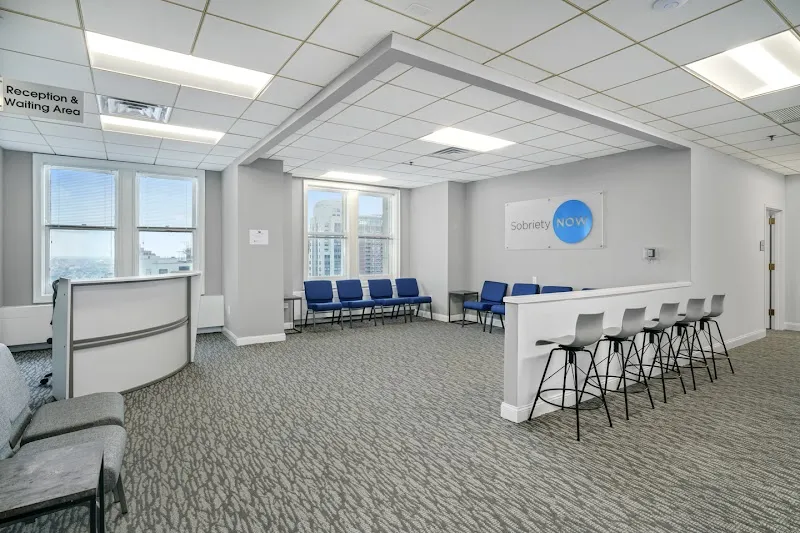
- Visit Centers: Schedule visits to potential programs to assess their environment and approach.
- Check Reviews: Read reviews and testimonials from former clients to gauge the effectiveness of the program.
In conclusion, outpatient addiction treatment programs in Philadelphia provide various options tailored to individual needs. Understanding the differences between IOP, PHP, and standard outpatient programs can significantly impact your recovery journey. As you seek help, remember that taking the first step is a sign of strength, and support is available to guide you through this process.
Sober Network is a directory, not an intake form. Explore local facilities and contact providers directly.